
Supply Chain & Logistics Data: Shipping, Freight & Inventory Indicators
Guide to supply chain data—shipping indices, port activity, freight rates, inventory levels, and logistics metrics for macro analysis.
Why Supply Chain Data Matters
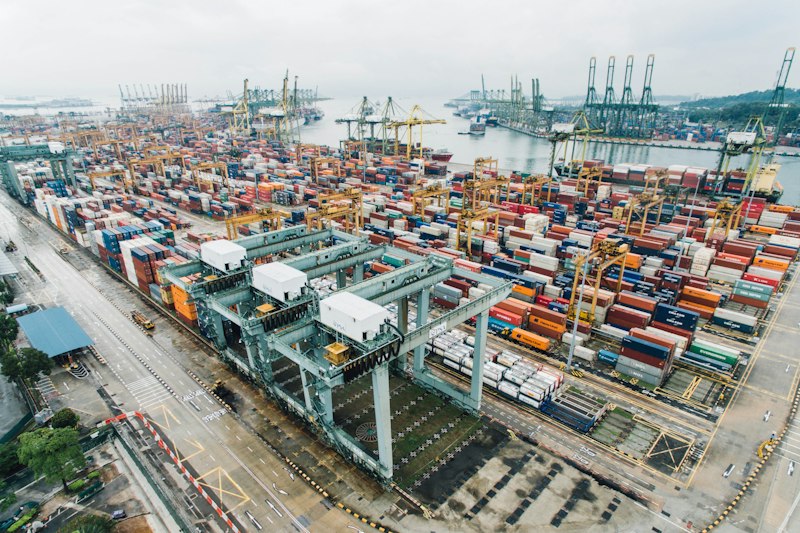
Supply chains became front-page news in 2021-2022:
- Shipping bottlenecks
- Port congestion
- Chip shortages
- Inventory whiplash
Supply chain data now essential for:
- Inflation forecasting
- Manufacturing outlook
- Trade analysis
- Recession signals
Shipping & Freight Indices
Baltic Dry Index (BDI)
IQ Score: 94
The most famous shipping indicator.
What it measures: Dry bulk shipping costs for:
- Iron ore
- Coal
- Grain
- Other commodities
Interpretation:
| BDI Level | Meaning |
|---|---|
| > 3000 | Very strong demand |
| 2000-3000 | Strong |
| 1000-2000 | Normal |
| < 1000 | Weak demand |
Why it's watched:
- No speculation (actual freight costs)
- Global trade proxy
- Chinese demand indicator
Container Shipping Rates
Freightos Baltic Index (FBX):
- Container shipping costs
- Multiple trade lanes
- Weekly frequency
Shanghai Containerized Freight Index (SCFI):
- China export rates
- Multiple destinations
- Weekly
Drewry World Container Index:
- Composite index
- Major routes
Trucking Data
Cass Freight Index:
- US trucking volumes
- Spending (rates × volume)
- Monthly, since 1990
American Trucking Associations (ATA):
- Tonnage index
- Monthly
- Industry benchmark
DAT Spot Rates:
- Real-time trucking rates
- Van, reefer, flatbed
- Lane-level detail
Port & Trade Activity
Port Throughput Data
Major US Ports:
- Los Angeles/Long Beach (largest)
- New York/New Jersey
- Savannah
- Seattle/Tacoma
Metrics:
- TEU (Twenty-foot Equivalent Units)
- Vessel calls
- Dwell time (congestion indicator)
Congestion Indicators
Vessels at Anchor:
- Ships waiting to unload
- Peaked at 100+ in 2021
- Near zero = normal
Container Dwell Time:
- Days containers sit at port
- Longer = congestion
Air Freight
IATA Air Cargo:
- Global air freight volumes
- Cargo tonne-kilometres (CTK)
- Monthly
Significance: High-value, time-sensitive goods
Inventory Data
Census Bureau: Business Inventories
FRED Series: BUSINV | IQ Score: 95
Components:
- Manufacturing inventories
- Wholesale inventories
- Retail inventories
Inventory-to-Sales Ratio:
FRED Series: ISRATIO | IQ Score: 94
Key metric for inventory health:
| Ratio | Interpretation |
|---|---|
| < 1.25 | Lean (restocking needed) |
| 1.25-1.40 | Normal |
| > 1.40 | Excess (destocking likely) |
ISM Inventories
From PMI surveys:
- Customer inventories (too low = orders coming)
- Own inventories
Retail Inventory-to-Sales
Sector-specific ratios by retailer type.
Supply Chain Surveys
ISM Manufacturing Components
- Supplier deliveries (longer = bottlenecks)
- Order backlogs
- Inventories
- Prices paid (input costs)
Regional Fed Surveys
Similar supply chain questions:
- NY Empire State
- Philly Fed
- Kansas City Fed
- Dallas Fed
PMI Delivery Times
Global PMIs include supplier delivery times.
Longer times = supply stress.
Semiconductor Data
WSTS (World Semiconductor Trade Statistics)
IQ Score: 92
- Global chip sales
- By region
- By product type
- Monthly
SIA (Semiconductor Industry Association)
US-focused data:
- Sales trends
- Trade data
- Capacity utilization
Chip Lead Times
Industry tracking of:
- Order-to-delivery times
- Normal: 12-14 weeks
- Shortage: 20-50+ weeks
Real-Time Indicators
AIS Ship Tracking
Automatic Identification System data:
- Vessel positions
- Port arrivals
- Trade route activity
Providers: MarineTraffic, VesselFinder, Kpler
Satellite Data
- Container movements
- Port activity
- Warehouse activity
Rail Traffic
AAR (Association of American Railroads):
- Carloads by commodity
- Intermodal (containers)
- Weekly data
Building a Supply Chain Dashboard
Weekly
- BDI (Baltic Dry)
- Container rates (FBX, SCFI)
- Rail traffic (AAR)
- Trucking rates (DAT spot)
Monthly
- Business inventories (Census)
- Port volumes (LA/LB, etc.)
- ISM delivery times
- Cass Freight Index
Real-Time Signals
- Vessel congestion (ports)
- Chip lead times
- Air freight volumes
Supply Chain Cycle Analysis
Early Recovery
- Inventories low
- Delivery times extending
- Freight rates rising
- Restocking begins
Mid Cycle
- Inventories rebuilding
- Delivery times normalizing
- Freight rates stable/high
- Demand steady
Late Cycle
- Inventories elevated
- Delivery times short
- Freight rates falling
- Destocking begins
Recession
- Excess inventories
- Easy supply
- Freight collapse
- Aggressive destocking
Pro Tips
- BDI isn't everything: Container rates matter more for finished goods
- Lead indicators: Shipping data leads trade data
- Inventories cycle: Watch I/S ratios for turns
- Regional variation: West Coast ≠ East Coast
- Seasonal patterns: Holiday shipping, harvest season
- New normal: Some structural shifts post-COVID
Related Articles
Business Inventories & Supply Chain Data: Economic Signals
How to track inventory levels, inventory-to-sales ratios, and supply chain health across the economy.

Free Macro Data Tools for Economists and Analysts (2026)
The best free macro data tools in 2026—FRED, DataSetIQ, World Bank Open Data, Eurostat, and more. Build a complete research stack without spending a dollar.

Complete Guide to Unemployment Rate Data: BLS, OECD & More
2008 took 6 years to recover. 2020 took 18 months. The data tells a fascinating story about two very different economic crises.